Packaging is no longer just a way to carry products; it has become a key part of how customers evaluate a brand. In
2026, businesses across retail and e- commerce are moving away from plain, functional packaging and investing in
designer plastic merchandise bags that reflect their positioning.
This shift is being driven by changing customer expectations. Shoppers today notice details like material quality,
print finish, and overall presentation the moment they receive or carry a product. A well-designed bag does more
than hold items; it signals value, builds trust, and often becomes part of the post-purchase experience.
For many businesses, especially in competitive retail environments, upgrading to designer poly merchandise bags is no
longer a branding upgrade. It is a practical way to improve perception, encourage repeat purchases, and stand out
without changing the core product.
What Are Designer Merchandise Bags?
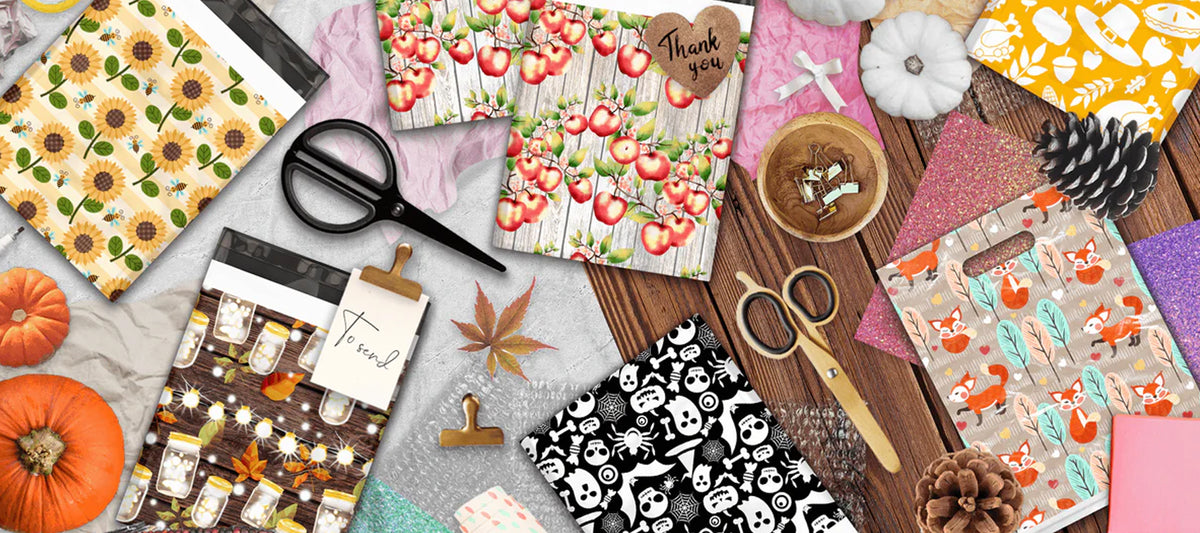
Designer plastic merchandise bags are customized, visually appealing packaging solutions created to align with a
brand’s identity. These bags go beyond basic utility by incorporating thoughtful design elements such as logo
placement, color schemes, typography, and premium finishes.
They are typically made from materials like kraft paper, laminated paper, reusable fabric, or even high-quality poly.
Unlike standard bags, designer merchandise bags are built to enhance presentation, reinforce branding, and improve
customer experience.
The Shift in Business Mindset Toward Packaging
Businesses are no longer treating packaging as an afterthought. Instead, it is being used as a strategic tool to
influence customer perception and retention.
With the rise of social media and visual branding, even small businesses are adopting premium packaging approaches.
Well-designed promotional plastic bags not only improve the in-store or delivery experience but also increase the
chances of being shared online.
This shift is especially visible in D2C brands and boutique retailers that rely heavily on presentation to compete
with larger players.
Key Reasons Businesses Are Switching in 2026
Stronger Brand Identity
Designer merchandise bags allow businesses to maintain consistency across all touchpoints. From logo placement to
color palettes, every detail reinforces brand recognition.
Enhanced Customer Experience
A thoughtfully designed bag adds to the overall purchase experience. Customers associate premium packaging with
higher product value, even before they use the product.
Social Media and Organic Visibility
Visually appealing promotional plastic bags often become part of customer- generated content. Whether it’s a shopping
haul or an unboxing post, packaging becomes free advertising.
Sustainability Expectations
Many designer poly merchandise bags now use recyclable or reusable materials. Businesses are aligning premium
aesthetics with eco-conscious choices to meet modern expectations.
Competitive Differentiation
In crowded markets, packaging can be the deciding factor. A unique, well- designed bag helps brands stand out
instantly.
Popular Types of Designer Merchandise Bags in 2026
Businesses have a wide range of options depending on their brand positioning and product category:
- Luxury paper bags with rope handles for premium retail
- Minimalist kraft bags for eco-conscious branding
- Custom-printed poly bags for lightweight and cost-effective packaging
- Reusable fabric tote bags for long-term brand visibility
- Seasonal or limited-edition designs for promotions and events
Each type serves a different purpose but shares the same goal: elevating brand presentation.
Choosing the Right Size for Designer Merchandise Bags

Size plays a critical role in both functionality and presentation, yet it is often overlooked during packaging
decisions. The right size not only protects the product but also influences how customers perceive its value.
Why Size Matters
A poorly sized bag can negatively impact the entire purchase experience. Oversized bags can make products feel less
substantial, while undersized bags can lead to awkward handling or even damage. Well-fitted poly merchandise bags
create a clean, intentional look that reflects attention to detail.
Common Size Categories With Real Use Cases
-
Small bags (e.g., 9 × 12 inches)
9x12 merchandise bags are best suited for compact items like cosmetics, accessories, notebooks, or a single
folded T-shirt. These bags create a neat, minimal presentation without excess space.
-
Medium bags (e.g., 12 × 15 inches)
12x15 merchandise bags are ideal for standard retail purchases such as 2 to 3 apparel items, books, or mixed
products. This is one of the most commonly used sizes due to its versatility.
-
Large bags (15 inches and above)
15-inch and above bags are used for bulkier products like jackets, shoe boxes, or multiple items. These are
essential for stores with higher average order sizes.
Impact on Customer Experience
Right-sized bags are easier to carry, stack, and reuse. Customers are more likely to keep and reuse well-proportioned
bags, which extends brand visibility beyond the initial purchase
Cost and Sustainability Considerations
Using the correct size helps reduce material waste and unnecessary shipping or storage costs. Businesses that
optimize bag sizes often see better cost efficiency while also aligning with sustainability goals.
What Happens When Size Is Wrong
-
Too large: Wasted material, weaker presentation
-
Too small: Product damage or poor usability
-
Mismatched proportions: Reduced perceived value
Practical Tip
If your store sells a consistent product category, standardizing 2 to 3 bag sizes (small, medium, large) is often
more efficient than offering too many variations.
How to Choose the Right Designer Merchandise Bag for Your Business
Choosing the right designer merchandise bag involves balancing aesthetics, functionality, and cost. Instead of
focusing only on design, businesses should evaluate how the bag performs across real usage scenarios.
1. Start With Your Product Type
The size, weight, and structure of your product should guide your choice.
- Lightweight items: Poly or thin paper bags
- Structured or premium items: Rigid paper or laminated bags
2. Align With Brand Positioning
Your packaging should match how you want your brand to be perceived.
- Minimalist brands: Clean kraft or monochrome designs
- Premium brands: Thick paper, rope handles, embossed logos
3. Select the Right Size Strategy
Instead of choosing sizes randomly, build a system:
- One size for small purchases
- One for standard orders
- One for bulk purchases
This keeps operations efficient and consistent.
4. Balance Cost vs Long-Term Value
Lower-cost bags may reduce upfront expenses, but premium bags often deliver better brand recall and reuse value. For
example, a durable, well-designed bag is more likely to be reused by customers, extending your brand visibility at
no additional cost.
5. Evaluate Durability and Practical Use
A good designer bag should:
- Handle the product weight comfortably
- Be easy to carry
- Maintain its shape during use
Ignoring functionality can lead to a poor customer experience, even if the design looks good.
6. Consider Sustainability as a Core Factor
Customers increasingly prefer packaging that feels responsible. Choosing recyclable materials or reusable designs can
improve brand perception while meeting environmental expectations.
Quick Decision Snapshot
- Selling small accessories: Go for compact, minimal bags
- Selling apparel: Medium-sized paper bags with strong handles
- Selling premium goods: Rigid designer bags with high-quality finishes
Common Mistakes to Avoid
Overloading the design with too many elements
- Ignoring durability in favor of appearance
- Choosing incorrect sizes that affect usability
- Not aligning packaging with the target audience’s preferences.
Avoiding these mistakes ensures that packaging adds value instead of becoming a limitation.
Future Trends in Designer Merchandise Bags
Looking ahead, packaging will continue to evolve with technology and consumer preferences:
- Integration of QR codes for interactive experiences
- Personalized packaging for limited runs
- Growth of sustainable luxury materials
- Clean, minimalist design trends
Businesses that stay ahead of these trends will continue to benefit from stronger brand positioning.
Conclusion
In 2026, designer merchandise bags will no longer be optional for businesses that want to compete effectively. They
combine branding, functionality, and customer experience into a single touchpoint.
Investing in well-designed, properly sized merchandise bags is not just about packaging; it is about creating a
lasting impression that customers remember and share.
If you are looking to upgrade your packaging strategy, now is the time to explore designer merchandise bags at Pro Supply Global. Align your designer poly
merchandise bags with your brand, products, and customer expectations. The right choice can elevate every purchase
and turn everyday
packaging into a powerful branding tool.